Back when I was an actor, reading reviews was a fraught activity. I won’t forget what it felt like to wait at Sardi’s to read the early reviews of my first (and only) Off-Broadway appearance.
To protect myself from criticism and appear like some sort of misunderstood artist, I might say something along the lines of, “I don’t care about reviews.”
But of course I cared…very much so.
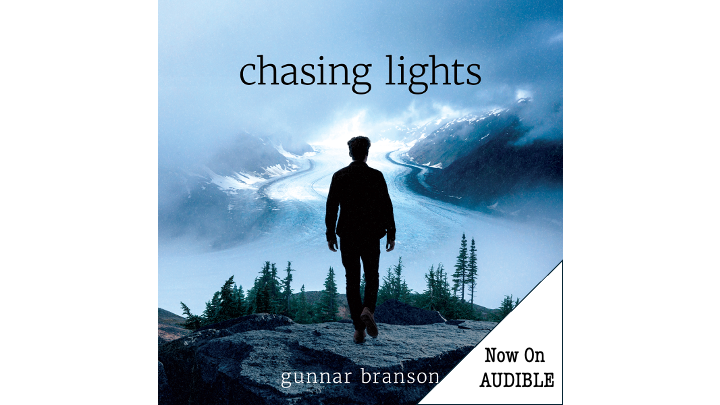
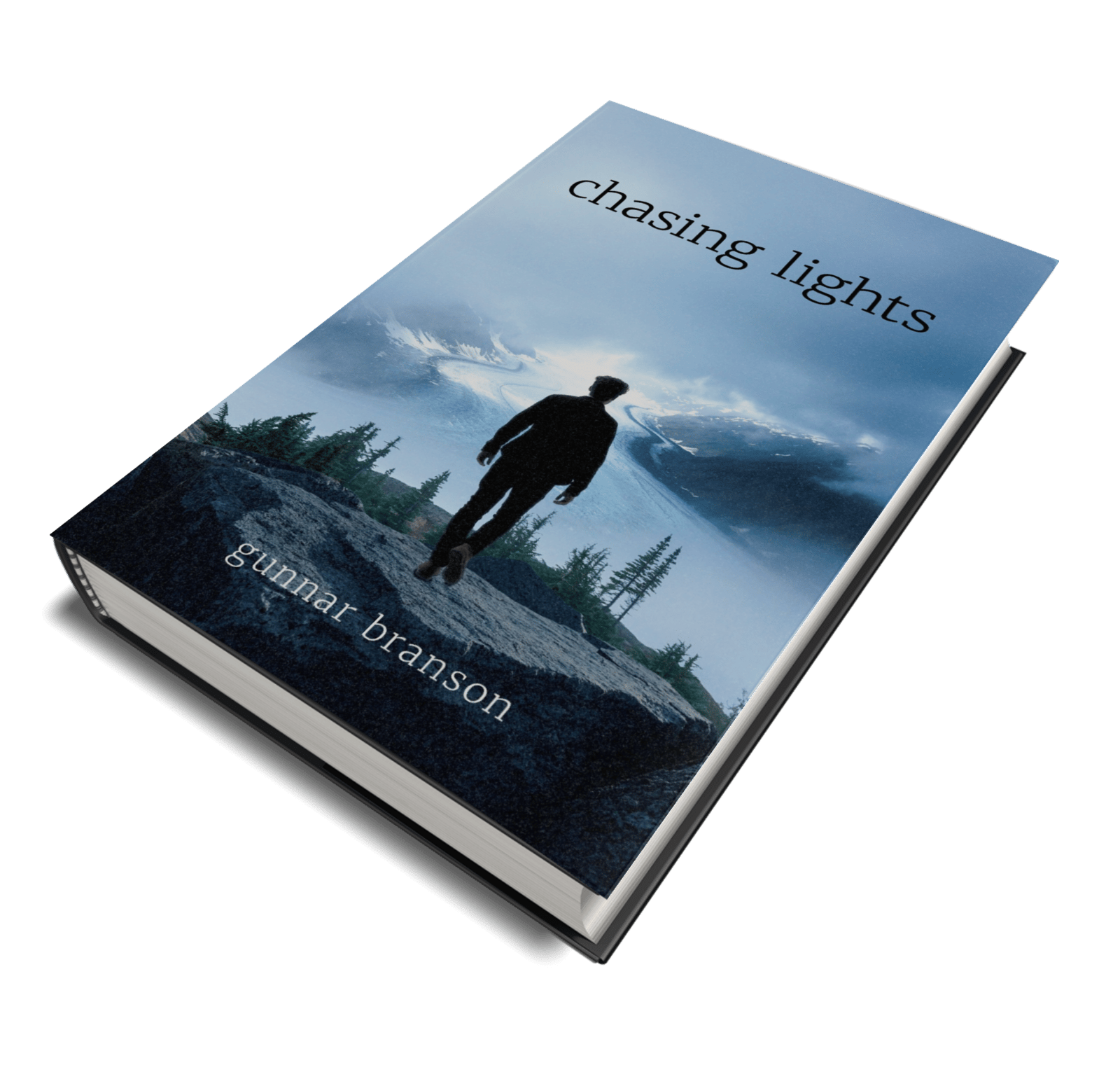
I am grateful for the positive feedback from friends about “Chasing Lights”. If you liked it, please feel free to post a review on social media and Amazon!
A good friend, colleague, and mentor, Geoffrey Dohrmann, just finished the book and published the following thoughtful review. I am overwhelmed!
 |
Geoffrey Dohrmann, Founder, chairman and chief executive officer at Institutional Real Estate, Inc. • Connecting professionals in the institutional investment and private wealth advisory communities since 1987. April 9, 2026
In Chasing Lights, Gunnar Branson offers a memoir that is both deeply personal and unexpectedly universal—a story about disruption, memory, and the quiet resilience that emerges when life veers off its intended path. Framed by Branson’s childhood under the Northern Lights in Alaska and written in the aftermath of a marriage ending during the COVID lockdowns, the book moves fluidly between past and present, place and perspective. It is less a conventional autobiography than a meditation on how ordinary lives intersect with moments of profound change. His memories and observations will echo along the fault lines of your mind with the heart and soul of a poet.
The book opens with a stark, cinematic moment: Branson standing alone in a Chicago alley as his wife, daughter, and cats drive away, ending a thirty-year marriage. From there, Chasing Lights resists self-pity or melodrama. Instead, it turns outward—to memory, to landscape, and to the lessons formed in a childhood spent in Alaska during the 1960s and 1970s. Branson’s Alaska is not romanticized frontier myth, but a place that is alternately harsh, beautiful, isolating, and fundamentally ordinary. It is precisely this ordinariness, set against an impossibly vast environment, that gives the book its emotional grounding.
One of the book’s great strengths is Branson’s attention to small details. He writes with clarity and restraint about family life, weather, animal encounters, and the rhythms of growing up in a place where light and darkness behave differently than they do elsewhere. These recollections do more than establish a sense of place; they function as touchstones that help the author navigate later-life disruption. The Northern Lights become both literal and symbolic—a reminder that forces far beyond human control can still guide, illuminate, and transform.
What makes Chasing Lights especially compelling is its refusal to frame disruption as something to be avoided or “overcome.” Branson repeatedly returns to the idea that disruption—while painful and frightening—is often the catalyst for growth. He writes candidly about failure, loss, and the collapse of certainty, but also about rediscovery and the embrace of a smaller, more grounded sense of self. The book argues persuasively that adventure is not reserved for fictional heroes or dramatic reinvention; it belongs equally to ordinary people who are willing to face change with honesty.
Stylistically, the prose is clear and unfussy, favoring insight over ornamentation. Branson’s background in storytelling is evident, but never indulgent. There is an intelligence at work here that trusts the reader, allowing meaning to emerge through observation rather than declaration. This restraint gives the book credibility and emotional weight, particularly for readers navigating their own transitions—whether related to career, family, identity, or aging.
Chasing Lights will resonate most strongly with readers drawn to coming-of-age stories, reflective memoirs, and narratives of later-life transition. It is a book about Alaska, but not only about Alaska; about loss, but not despair; about endings that quietly open the door to something better. In a time when disruption is often framed as failure, Branson makes a compelling case for seeing it instead as an invitation—to pay attention, to accept smallness, and to recognize that meaning often arrives in the most unexpected light.
Highly recommended.
Keep Chasing Lights!